

New York, December 12, 2025 – In a world increasingly dominated by screens and digital distractions, plush toys – those soft, cuddly stuffed animals that have comforted generations – are experiencing an unprecedented renaissance. Far from being mere children's playthings, plush toys have evolved into cultural icons, emotional support companions, collectible treasures, and even fashion statements. As the holiday season peaks, the global plush toy industry is booming, with sales projected to surge amid trends driven by nostalgia, mental health awareness, and innovative designs.
The plush toy market, valued at over $11 billion in recent years, is expected to grow at a compound annual rate of around 8% through the next decade, according to industry reports from sources like Grand View Research and Fact.MR. This growth is fueled by a shift in consumer demographics: while children remain a core audience, adults – particularly millennials and Gen Z – now account for a significant portion of purchases. Known as "kidulting," this trend sees grown-ups embracing plush toys for stress relief, decoration, and pure joy.
One of the standout brands leading this charge is Jellycat, the London-based company famous for its whimsical designs ranging from smiling vegetables to quirky animals. In 2025, Jellycat's popularity has exploded among adults, with pop-up stores and limited editions selling out rapidly. "The surge in sales can largely be attributed to consumers aged over 12," noted Frédérique Tutt, a toy analyst at Circana. The plush industry has grown over 100% since 2019, partly thanks to Jellycat's creative offerings like holiday-themed bunnies and food-shaped cuddly toys.

Another major player shaking up the market is Labubu, the mischievous monster character from Pop Mart. These blind-box collectibles, blending cute and slightly edgy aesthetics with tiny fangs and bold colors, have become a global sensation. In the first half of 2025, Labubu-related products generated hundreds of millions in revenue, driven by TikTok unboxings and limited editions. Collectors, including celebrities and fashion enthusiasts, attach them to bags as accessories, turning plush into status symbols. Pop Mart's market value has soared, surpassing traditional giants like Mattel in some metrics.
Licensed characters continue to dominate, with timeless favorites like Hello Kitty seeing renewed vigor through streetwear collaborations and pastel variants. Pokémon's Pikachu and Disney's Stitch are perennial bestsellers, with glow-in-the-dark and oversized editions flying off shelves. Newer entries, such as Chiikawa and Mofusand, have captured social media hearts with their ultra-adorable designs.
Emotional support plushies are perhaps the most poignant trend of 2025. Amid rising awareness of mental health, many turn to stuffed animals for comfort during anxiety, grief, or daily stress. Brands like Goodlifebean market giant dinosaurs or protective huskies as "cuddle companions," backed by studies showing that hugging plush toys releases oxytocin and boosts feelings of security. "These aren't just toys; they're emotional partners," says one industry expert.
Sustainability is also reshaping production. Manufacturers are increasingly using recycled fabrics, organic cotton, and biodegradable fillings. Companies emphasize ethical sourcing and transparency, appealing to eco-conscious parents and collectors. In factories across China – the hub of plush production – lines buzz with innovative processes to meet this demand.

Technology is infiltrating the soft world too. AI-equipped plush toys, like those from startups incorporating voice customization or interactive features, promise screen-free engagement. While controversial – with debates over privacy and over-reliance on tech – they represent the fusion of warmth and innovation.
For children, plush toys remain essential for development, fostering imagination, empathy, and social skills. Parents seek educational and interactive options, from sensory-filled animals to those tied to beloved shows like Bluey or Peppa Pig.
As Christmas approaches, stores and online platforms are stocked with trending items: unicorn plushies paired with gifts, emotional support animals, and collectible blind boxes. Squishmallows, with their marshmallow-soft texture, continue to top wish lists.
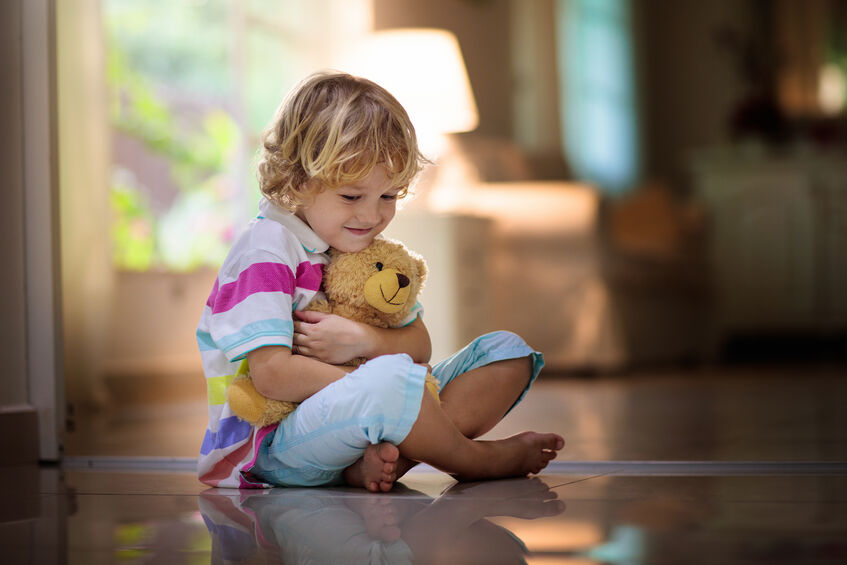
The plush toy's appeal lies in its simplicity: a soft hug in an often harsh world. Whether for a child's bedtime companion, an adult's desk decor, or a collector's prized possession, these stuffed wonders remind us of comfort and play. As 2025 draws to a close, one thing is clear: plush toys are not just surviving – they're thriving, wrapping the world in softness.


