Enterprises Strengthen Their Skills and Use New Technologies to Expand Wider Overseas Markets
As the United States arbitrarily imposes tariffs, disrupting global trade order, China has responded strongly. On May 7, 2025, a package of financial measures was launched to stabilize markets and expectations. Across the country, enterprises are exploring new paths and seeking opportunities.
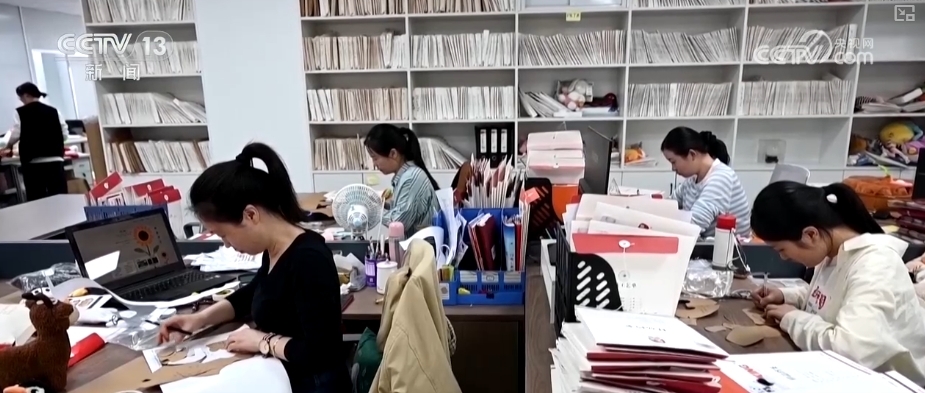
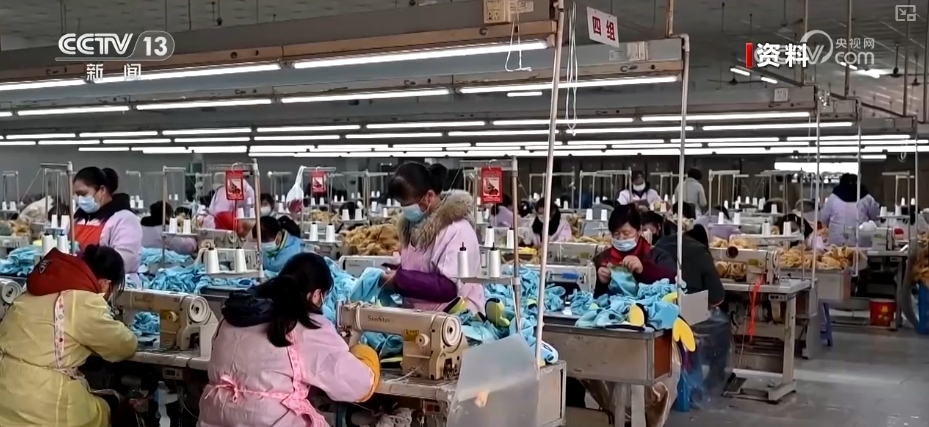
In Yangzhou, Jiangsu Province, plush toys are one of the city's traditional signature industries. Facing the pressure of continued U.S. tariff hikes in 2025, Yangzhou's toy companies took the initiative-developing new products, adopting new technologies, and exploring overseas markets beyond the U.S.-gradually transforming from OEM manufacturers into independent brand creators.
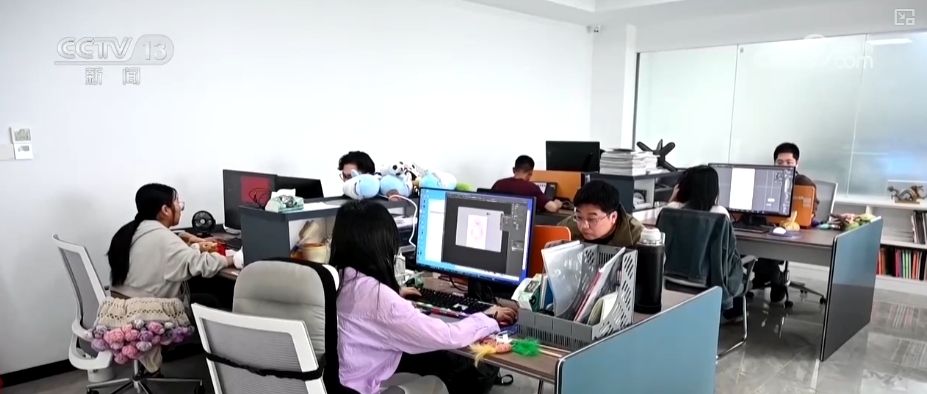
At a toy company located in Yangzhou's Xihu Science and Technology Entrepreneurship Park, Zhang Yabo, the person in charge, repeatedly adjusts a sample of a plush toy made from renewable fabrics with his design team. With more than ten years of foreign-trade experience, this "veteran trader" remains calm in the face of tariff shocks.
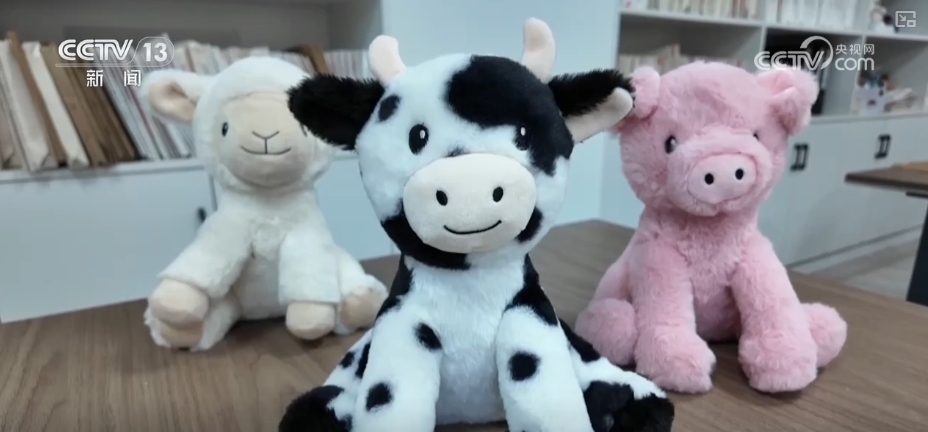
Zhang explained that their business now focuses mainly on the European market, where customer samples are given priority. Product R&D for the U.S. market continues without interruption.
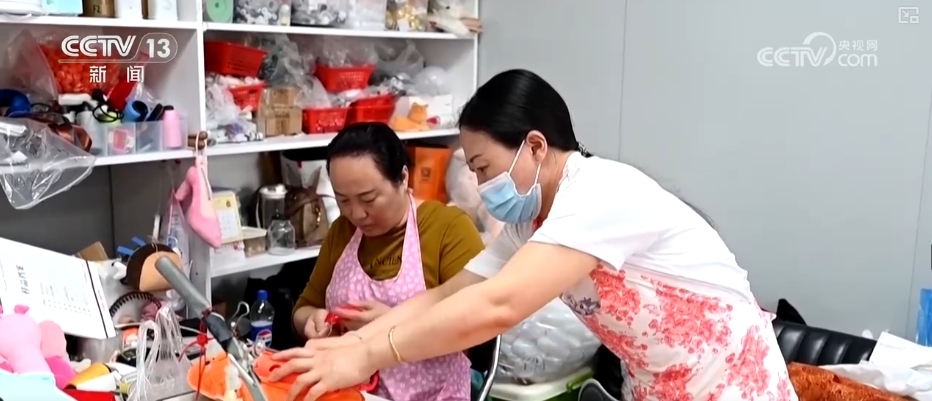
In the past, over 90 percent of the company's orders came from the United States. As the international market evolved, since 2017 they began exploring new destinations-entering the European market, developing eco-friendly toys, and joining cross-border e-commerce platforms. By the end of 2024, U.S. orders had dropped to about 60 percent of total sales.
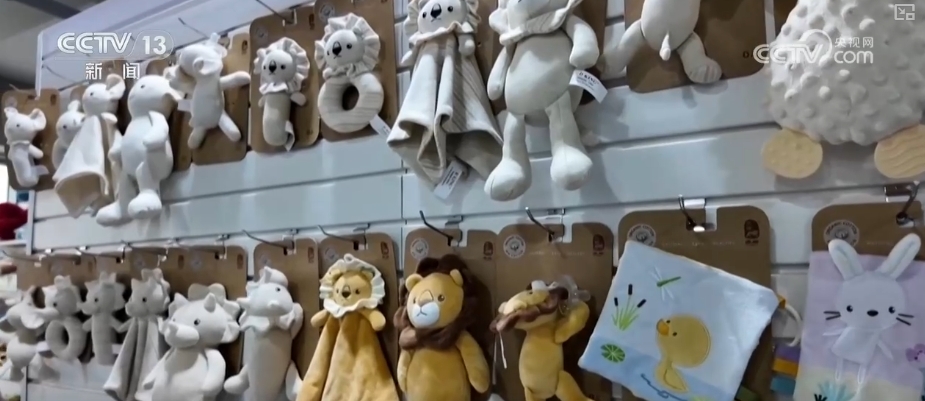
Currently, most of their orders come from the UK and Germany, which are now the company's main focus. From May onward, their factory will likely devote full production to European products. Supported by cross-border e-commerce and overseas websites, they aim to ensure that 2025 sales do not decline compared with 2024.
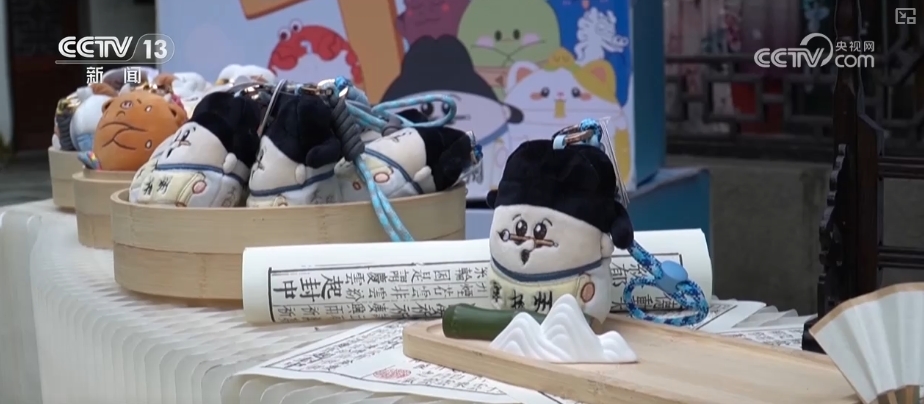
Beyond market expansion, companies are also strengthening their internal skills-optimizing production, offering small-batch customization, and collaborating with cultural-creative partners to build independent brands. They now serve not only large international clients but also domestic niche consumers.
Zhang Yabo said: "We hope that rapid growth in European and domestic markets can offset the impact from the U.S. market. In 2024, our growth reached 70 percent over 2023. We aim to maintain that foundation in 2025 and achieve another 10 to 20 percent increase. We're confident."
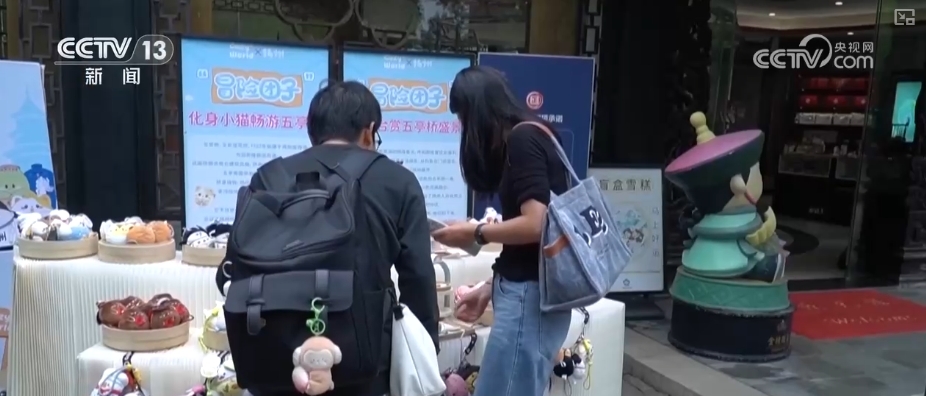
Yangzhou's plush-toy industry dates back to the 1950s. Today, it has grown into a comprehensive industrial cluster with an annual output value exceeding 20 billion RMB and exports worth 3–4 billion RMB per year.
To help local enterprises overcome challenges, on April 18 the Yangzhou government issued the "Several Measures for Promoting the Transformation and Development of the Plush Toy Industry." It offers full-spectrum support-from policies and product innovation to market expansion.
Wang Jianguang, head of the Consumer Goods Industry Division under the Yangzhou Bureau of Industry and Information Technology, stated that the next step is to continue field research, strengthen policy guidance, leverage e-commerce platforms, and integrate cultural tourism with consumption-driving transformation, upgrading, and growth of local enterprises.